Skills
Expertise in urban water and water resources systems management, leadership, modelling, planing and design/analysis
Water Modelling & Planing
Developing hydrological and hydraulic models to optimize water resource management


Water Projects Management & Team Leadership
Integrating regulatory frameworks with engineering solutions for effective outcomes
Design & Analysis


Water is life!
Water Modelling & Planing
More than two and a half decades of multidiciplined expertise in hydrological and hydraulic modelling applied to urban water and water resources systems, in which combines robust modelling techniques with system-level understanding to support analysis, planning, and decision-making across a range of spatial and temporal scales.
Modelling Tools
1D-2D: MIKE+ (all modules), MIKE FLOOD.
1D-river: MIKE 11, MIKE HYDRO, MIKE11GIS.
1D-pipe: MIKE URBAN (CS, SWMM and Epanet).
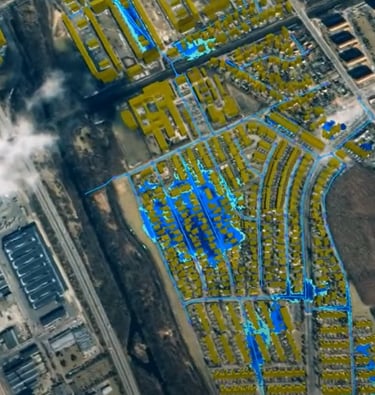
2D: MIKE21, Scalgo Live and Scalgo Live Tuflow.
Data analysis: MIKE VIEW, Gandalf.
Stormwater konceptual: Storm Tac for rainwater and water quality modelling.
1D: InfoWorks CS.
GIS: ArcGIS/ArcGIS Pro, MapInfo and QGIS
Design databases
DANDAS-Graf: MicroStation-database and design tool of water supply and drainage systems in Denmark.
VA bank: GIS-database and design tool of water supply and drainage systems in Sweden.
Key Skills
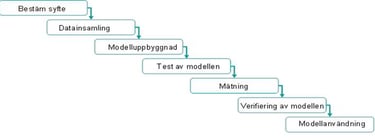
1D-modelling: Development and application of hydrological and hydraulic models for one-dimensional urban drainage, rivers, and water resources systems.
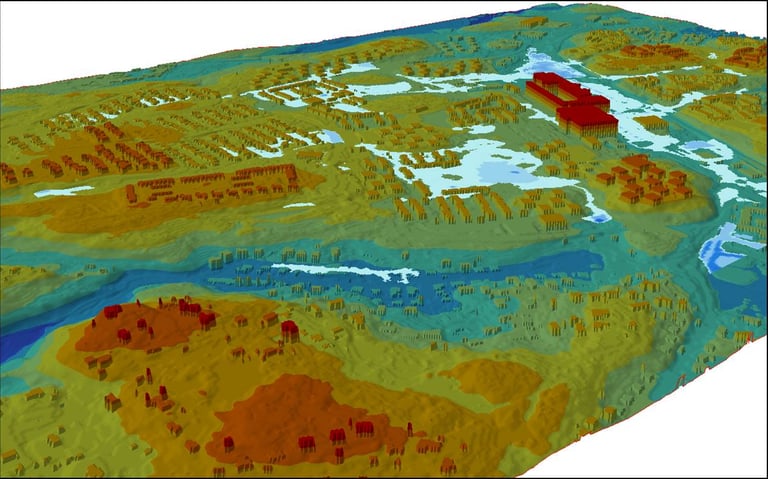
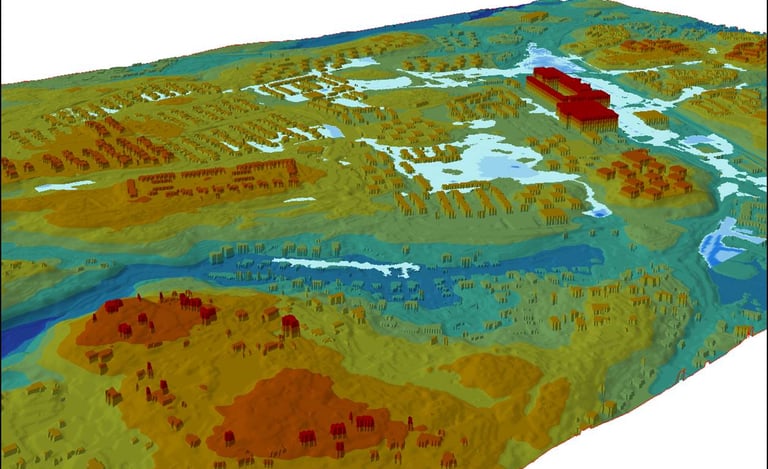
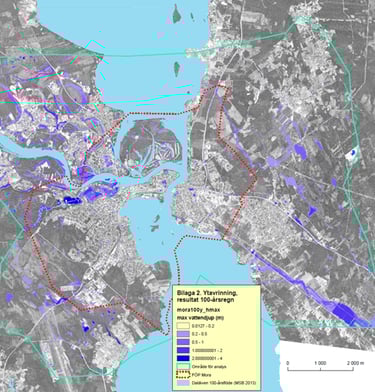
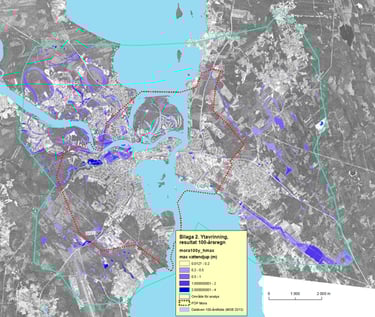
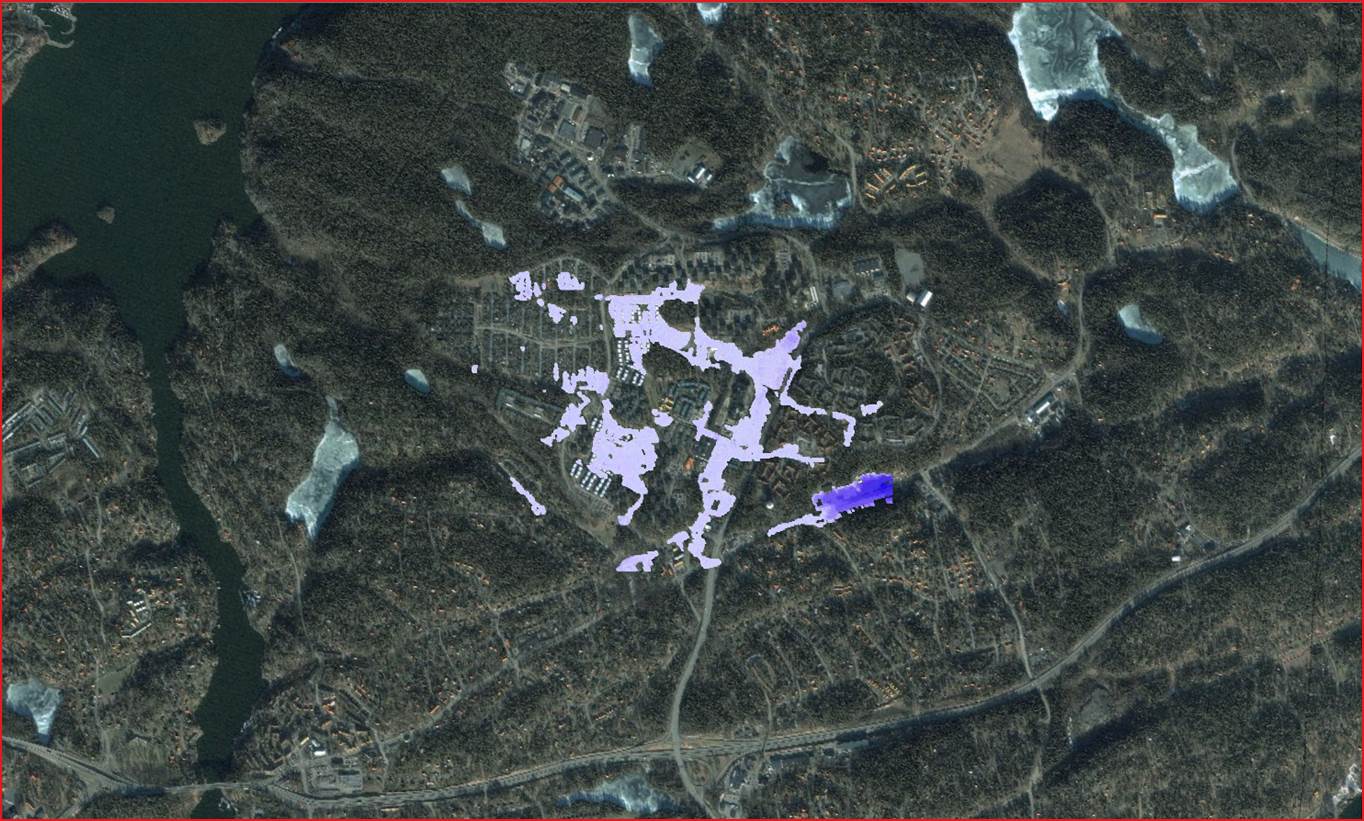
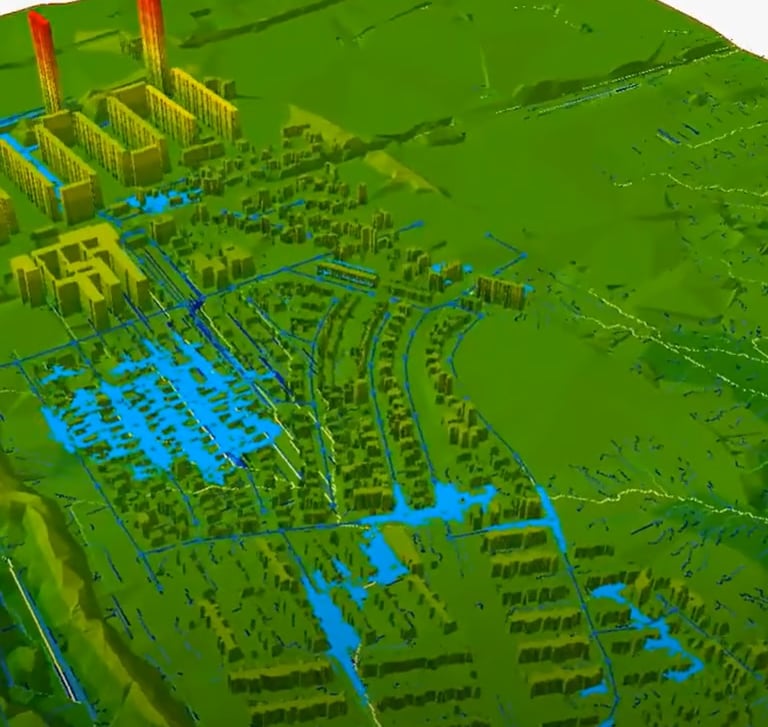
2D-modelling: Surface water modelling that includes flood modelling, lakes and coast modelling.
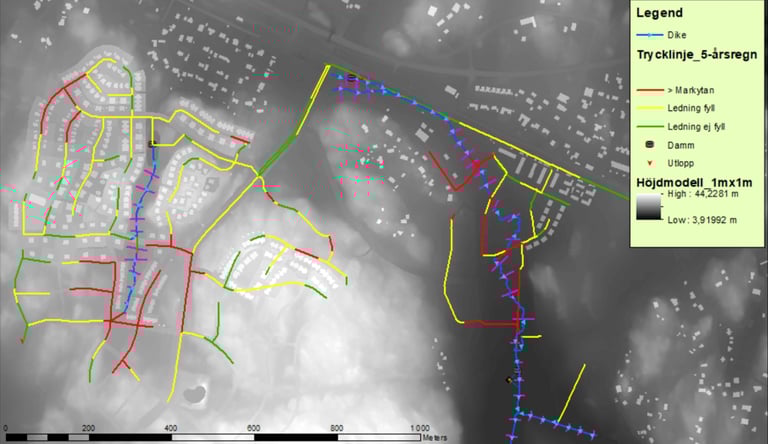
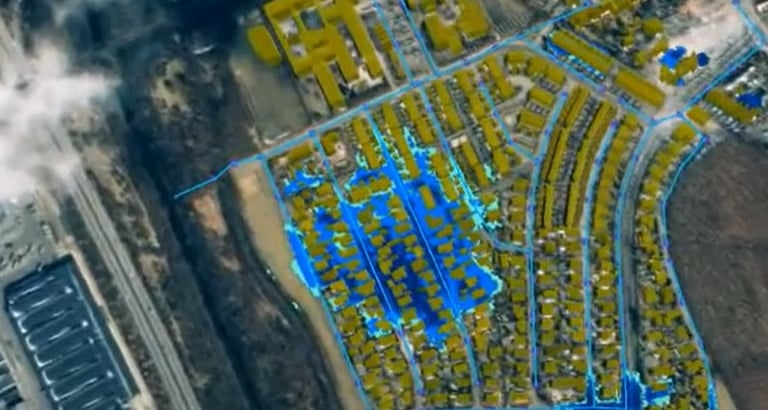
1D-2D modelling: Integrated modelling approaches linking surface water, sewer systems, and receiving waters for flood modelling.
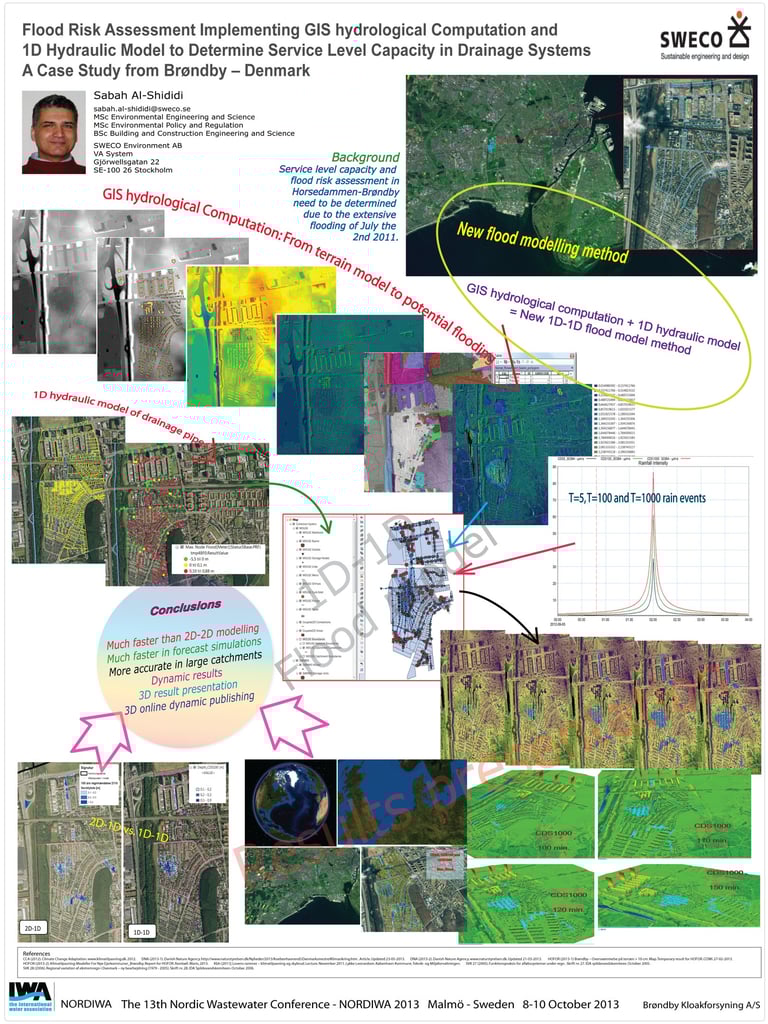
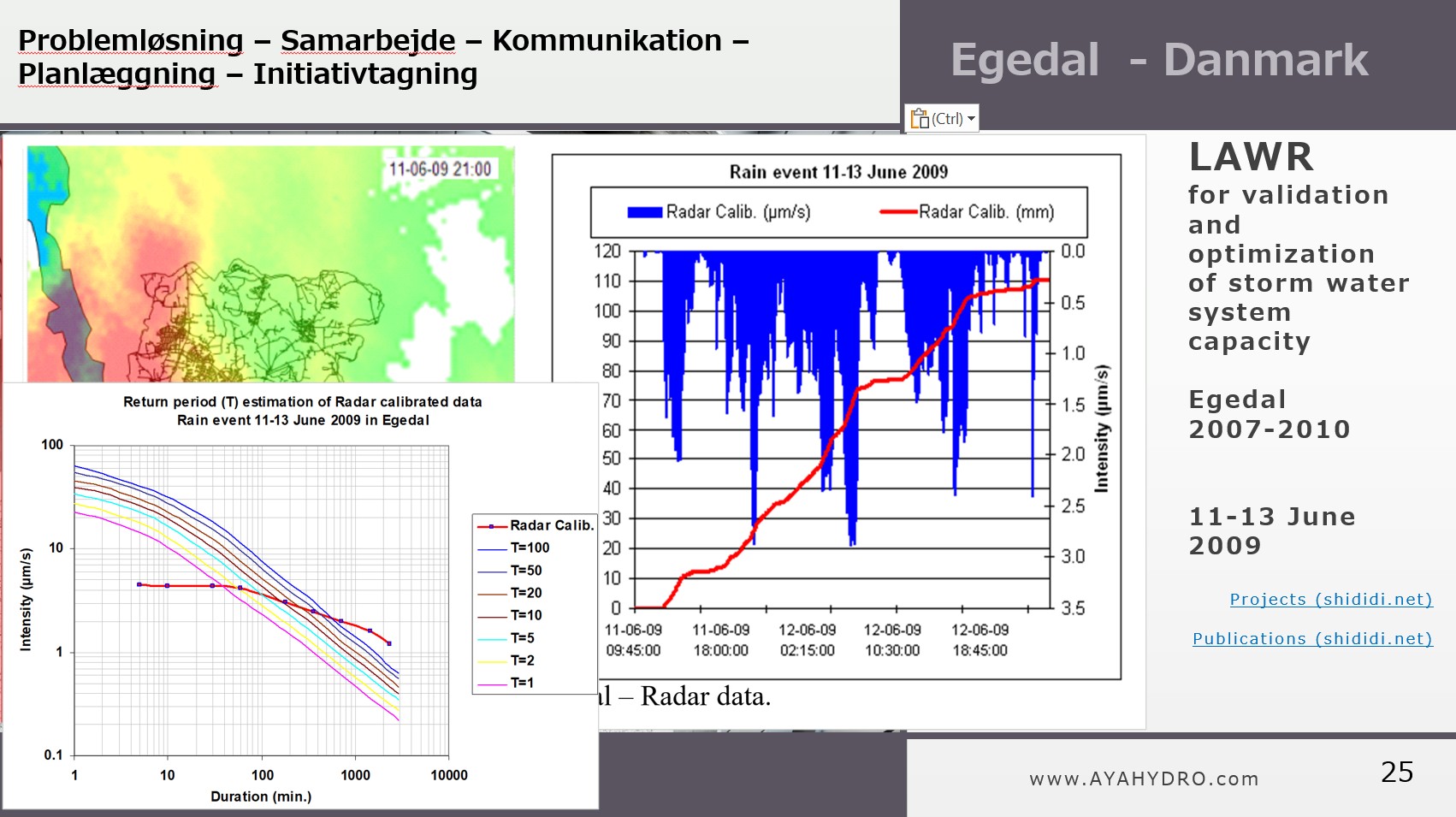
1D-1D modelling: Faster flood modelling, linking surface water modelled as1D-model to traditional 1D-model systems. This innovative method to be implemeted in modelled weather radar prognoses models.
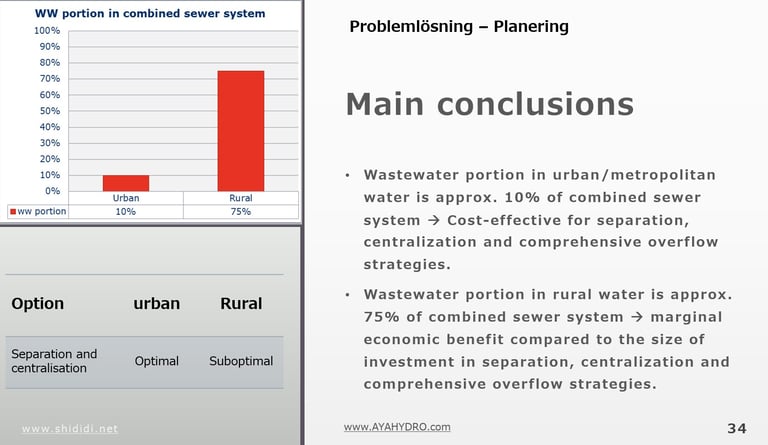
LTS-modelling: Long-term time series modelling is a cost-effective method for supporting the design and optimization of combined sewer overflow (CSO) systems and associated retention facilities, including ponds, tanks, and rainwater lagoons, by capturing temporal variability in rainfall and system response.
RDII /NAM-modelling: Rain Dependent Infiltration and Inflow modelling for 1D-systemes.
Scenario analysis for climate change, urban development, and operational conditions.
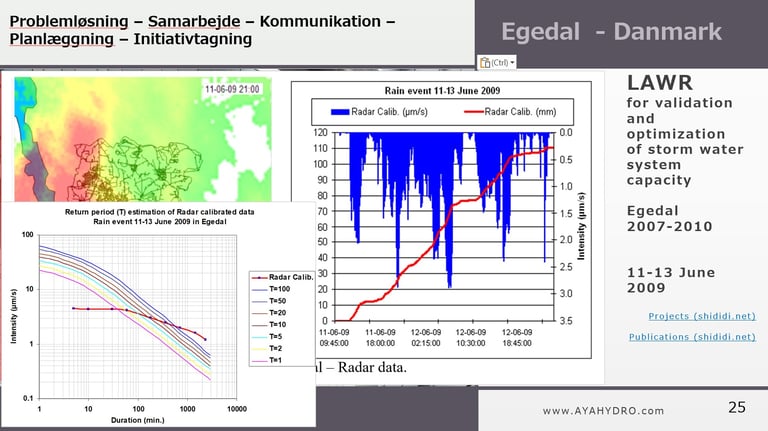
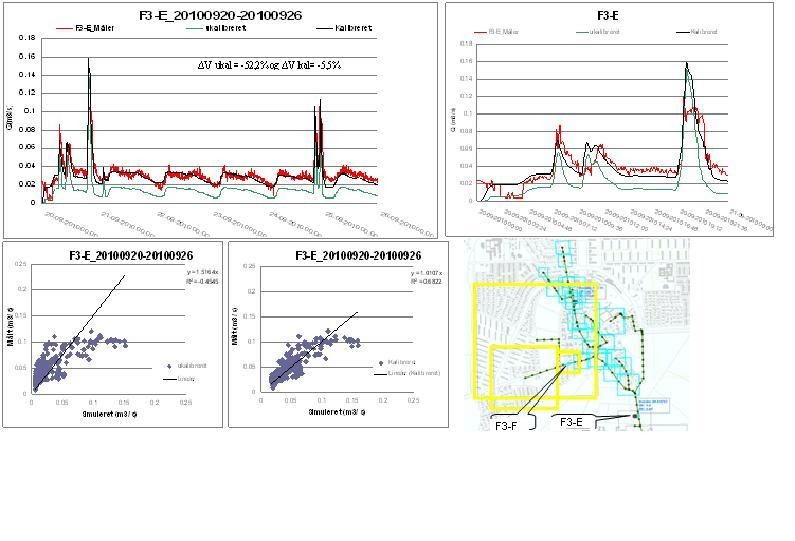
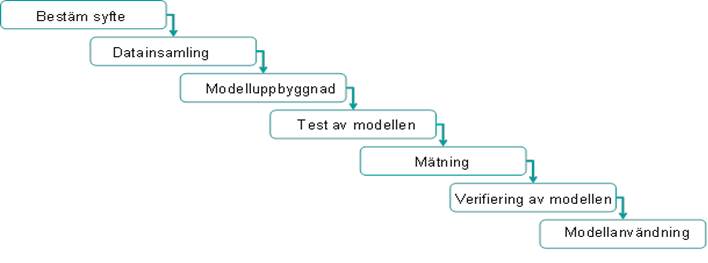
Calibration, validation, and uncertainty assessment to ensure model reliability.
Modelling for planing and decision-support: Coupling of modelling results with decision-making support and planning frameworks.


Management and Leadership
Integrated Project, Program, Team & Asset Leadership
Leadership and coordination of interdisciplinary teams and resources in water projects and programmes — from early planning through implementation and delivery. Combining project and programme management, team leadership, stakeholder coordination, resource planning, and technical oversight to support sustainable, efficient, and cost-effective outcomes.
Experienced in leading project teams and managing human resources within complex technical environments, including team development, collaboration across disciplines, capacity building, scheduling, and alignment of technical inputs with organisational and stakeholder requirements.
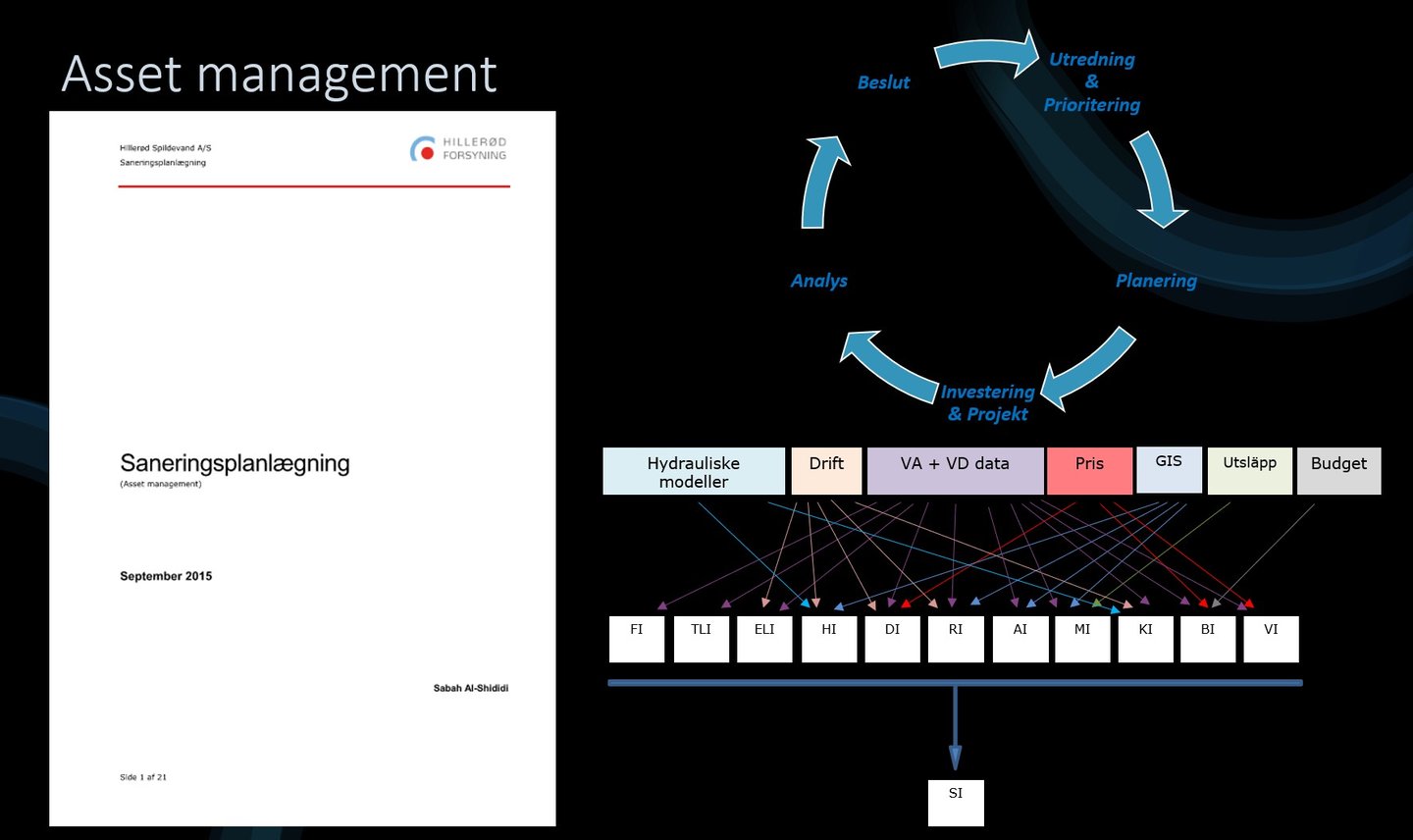
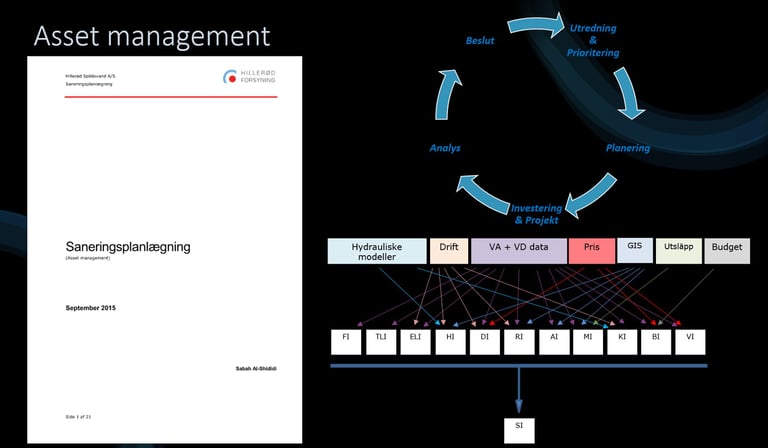
Asset management approaches supporting both human and physical assets to strengthen the operation, maintenance, and renewal of water infrastructure. Focus areas include performance assessment, risk-based prioritisation, lifecycle planning, and long-term strategic management of infrastructure systems.
Key Skills – Urban Water Project Leadership
Planning, Programme & Delivery Leadership
Leading planning and delivery of urban water projects from concept to implementation
Managing multiple parallel projects within programmes and portfolios
Setting structure, priorities and direction for technical delivery
Ensuring performance, timelines and outcomes across project environment
Team Leadership & Resource Management
Leading interdisciplinary technical teams in matrix organisations
Allocating resources and defining responsibilities across project teams
Building, guiding, and developing high-performing technical teams
Providing clear leadership, direction and accountability
Technical & Strategic Decision Support
Driving technical and strategic decision-making in urban water systems
Translating complex technical inputs into clear management decisions
Aligning engineering, planning and operational perspectives
Ensuring robust, evidence-based project direction
Financial, Risk & Asset Governance
Managing project cost awareness and financial discipline
Applying risk-based prioritisation in planning and delivery
Supporting asset-focused infrastructure decisions
Ensuring sustainable and efficient use of resources
Stakeholder & Organisational Coordination
Leading coordination between technical teams, management and stakeholders
Ensuring clear communication across organisational and disciplinary boundaries
Aligning clients, operations and project delivery teams
Maintaining structured and transparent governance in delivery processes
Design & Analysis
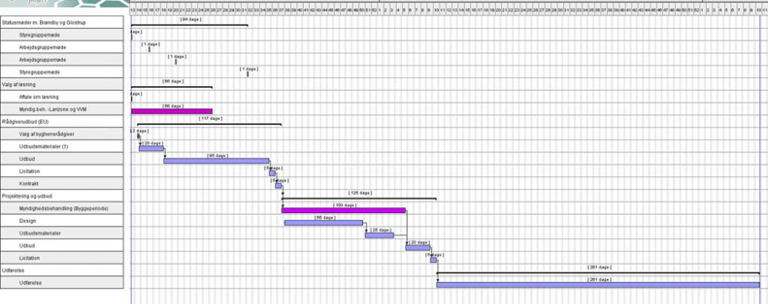
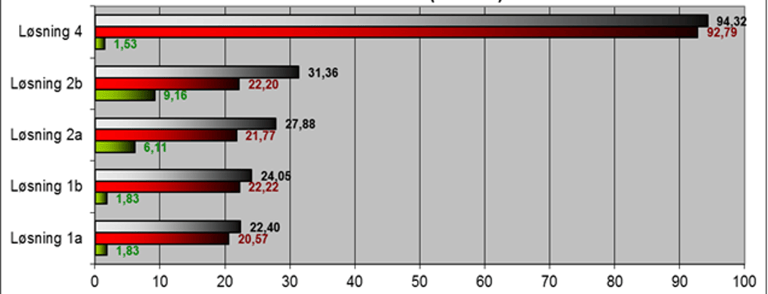
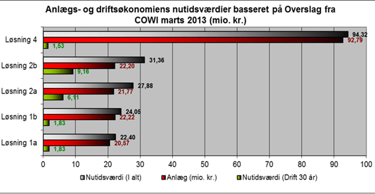
Design of urban water and water resources systems that translates analysis and modelling into practical, buildable and resilient solutions.
The focus is on functionality, safety, sustainability, and long-term system performance.
Design & Analysis Capabilities
Hydraulic & Hydrological Design & Analysis
From modelling and analysis to resilient and implementable water system design.
Design of drainage, flood protection, and water conveyance systems based on hydrological and hydraulic analysis. Emphasis is placed on capacity, robustness and performance under current and future conditions. This aim to the follwoing:
Engineering design translating modelling and analysis into resilient urban water solutions.
Hydraulic and hydrological design supporting safe, sustainable and buildable systems.
Integrated System Design & Analysis
Integrated design & analysis across drinking water, wastewater, stormwater, and receiving waters to ensure system compatibility and optimized performance at catchment and urban scales.
Sustainable & Resilient Design
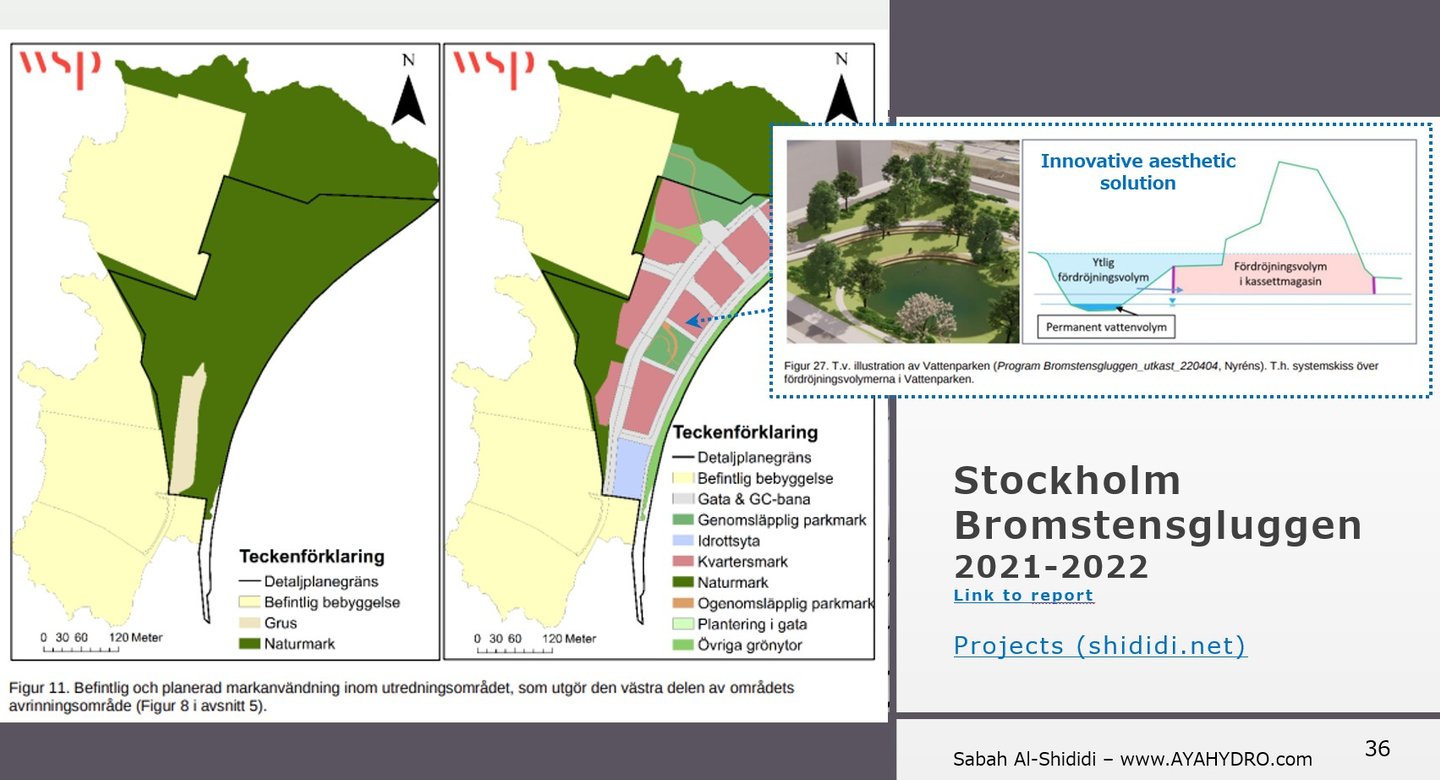
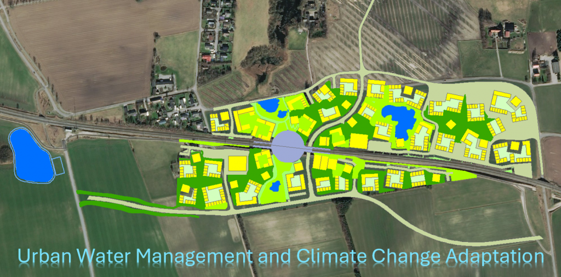
Design solutions that incorporate sustainability principles, climate change adaptation, and resilience to extreme events. This includes nature-based solutions and adaptive design strategies.
Design Support & Decision Integration
Design outputs structured to support planning, permitting, and implementation processes, ensuring traceability from modelling and analysis to final design decisions.
Design expertise
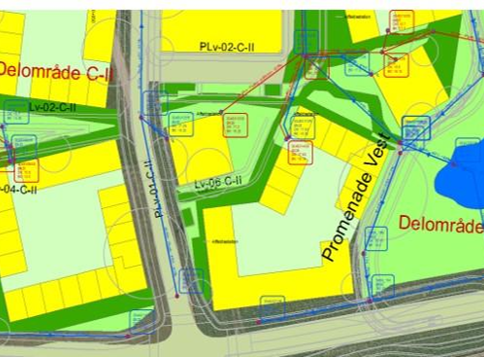
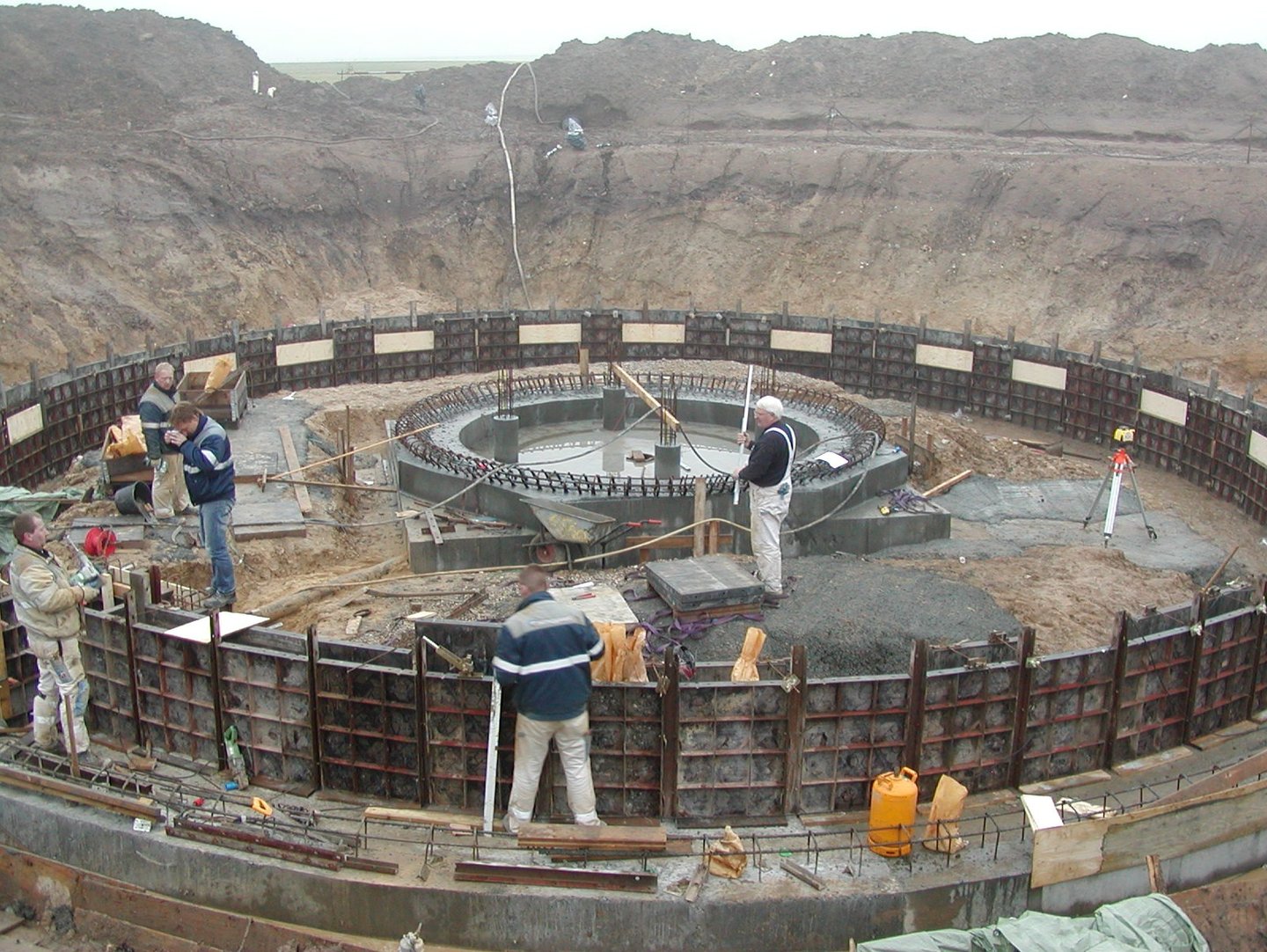
Drainage system network hydraulic and constructional analysis and design.
Retention tanks and reservoirs hydraulic, constructional and estthetic analysis and design.
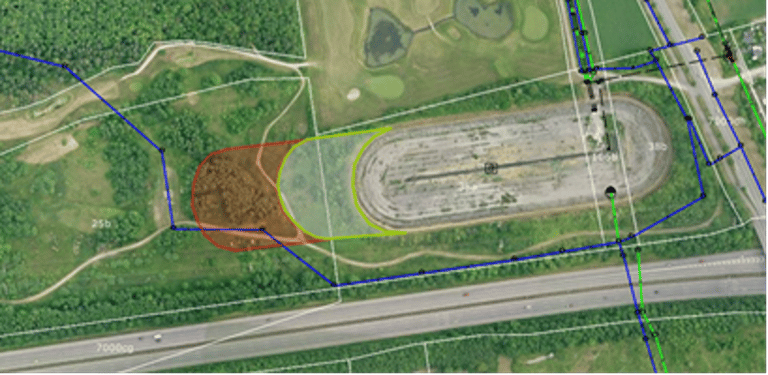
Low Impact Development (LID, LAR in Denmark and LOD in Sweden) systems analysis and design.
Pumpstations hydraulic design and selection.
Water supply network hydraulic and constructional design.
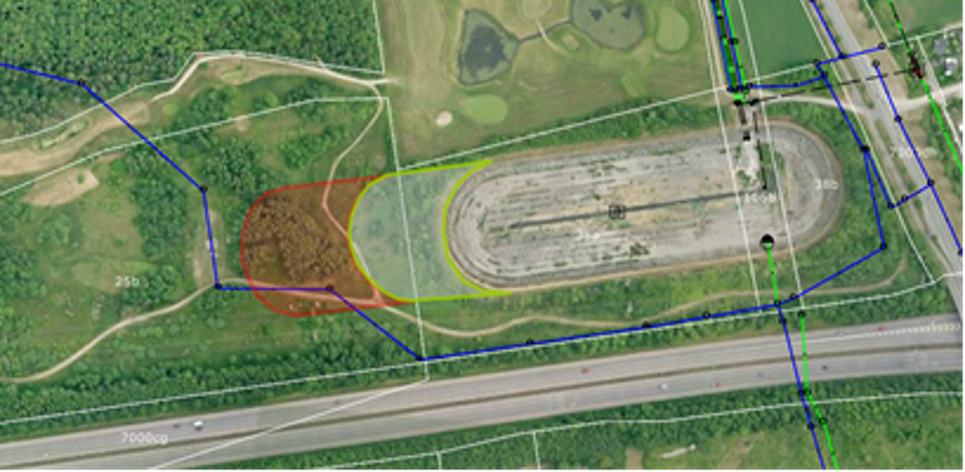
Kanal, river modifications and hydrological structures analysis and design.
Dam safety analysis and design.
AI and Coding
Different AI tools
Developing machine learning in modelling
Developing AI methods and tools in project management
Coding in different coding languages