Case Studies
A selection of case studies from my engineering work
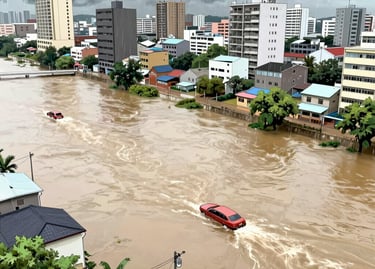
Urban Flood Risk
Sweden
Reduction in flood risk, avoided major damage costs and strengthened long-term resilience through advanced modelling
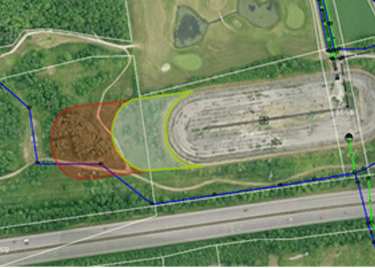
Infrastructure Optimization
Denmark
Major cost savings of approximately DKK 160 million (€20+ million), improved hydraulic efficiency, bathing water quality and maintained performance standards
Project Management Under Complex Risk Environments
Iraq
Delivered strategic, high-impact engineering solutions under complex conditions, driven by rigorous project management.
Water is life!

VOLVO’S NEW BATTERY FACTORY - SWEDEN
Approach / Solution
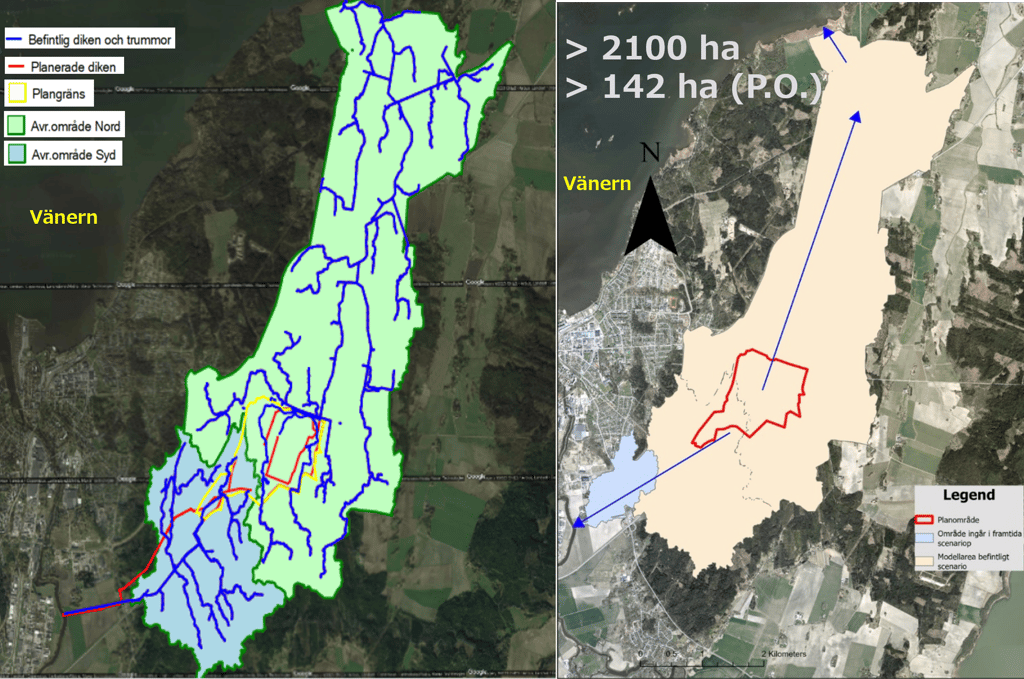
Using Scalgo screening and 1D–2D modelling in MIKE+ (covering a 2,100 ha catchment) as well as StormTac, I simulated 20- and 100-year rainfall events. This identified a need for approximately 100,000 m³ of local retention (80,000 m³ north, 20,000 m³ south).
The analysis informed design measures to maintain unobstructed water flow, prevent barriers, optimize water quality, and ensure operational traffic and infrastructure were unaffected.
During the modeling, I discovered a software coding error in the 1D–2D linkage in MIKE+ / MIKE FLOOD 2023. To overcome the issue, I developed an alternative method to maintain water balance and deliver the project on schedule.
Period: 2023
Role: Technical Manager and Expert in Modelling and Stormwater Management
Organization: COWI AB
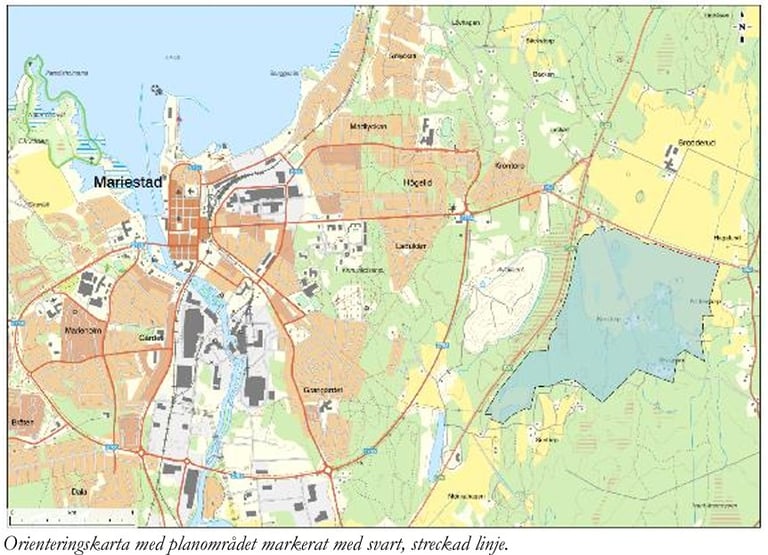
Location: East of Mariestad at the south-east of the intersection of Road E20 and 202 - The blue area in the figure below.
Challenge
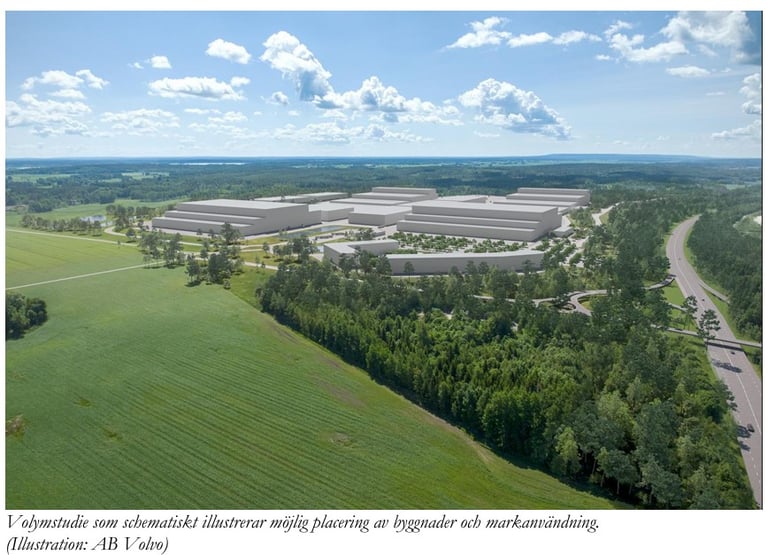
Volvo Trucks AB commissioned a stormwater and rainfall study for the 142-hectare site of their new battery factory east of Korstorp, Mariestad. The project required detailed analysis of drainage systems, watercourses, overflows, culverts, and retention basins to ensure that both existing infrastructure and downstream areas remained protected during extreme rainfall events.
Impact / Result
The proposed stormwater measures secured protection for downstream areas and existing buildings while enabling functional infrastructure. The project demonstrated the importance of reserving areas for temporary water storage and highlighted the need for robust modeling techniques.
The solution aligned industrial water management with sustainable development goals and ensured accurate, reliable modelling for large-scale stormwater design.


Optimizing Stormwater and Flood Resilience for Volvo’s New Battery Factory
RB03 – DEN GRØNNE KILE (THE GREEN CORRIDOR) - DENMARK


Period: 2011–2013
Role: Project Manager
Organization: Spildevandscenter Avedøre (SCA) / BIOFOS
Location: Copenhagen - East of Brøndby Golfklup at the north-west of the intersetion of road E20 with road E47.
Challenge
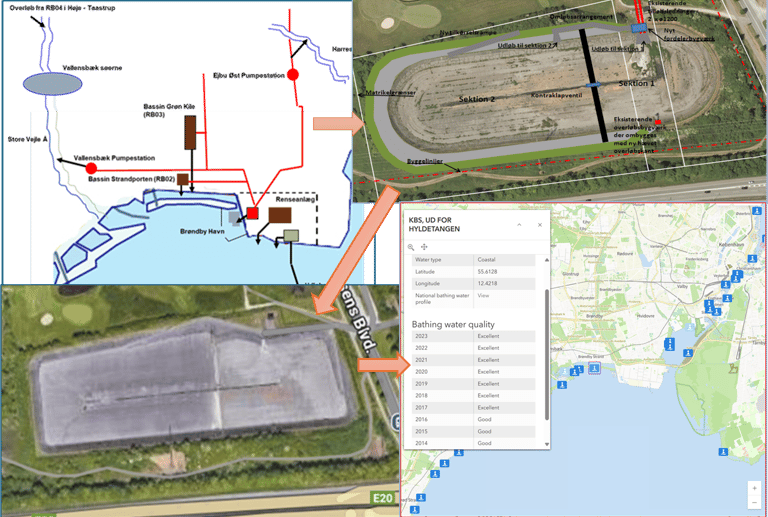
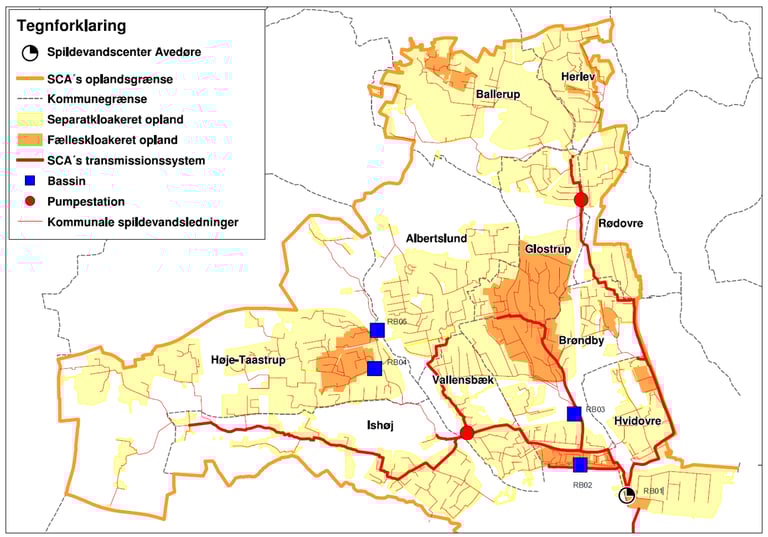
RB03 is the largest combined sewer retention basin in Denmark (80,000 m³), serving the Brøndby and Glostrup catchment areas (The brown area upstream RB03 in the figure below).
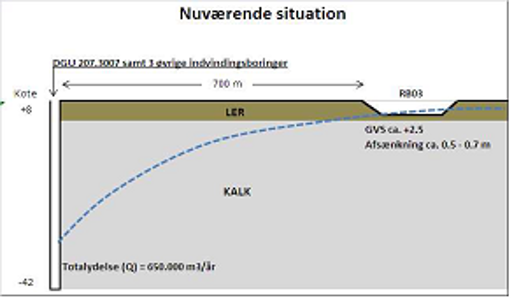
Frequent overflows previously triggered environmental warnings at Brøndby Strand. Rising groundwater levels beneath RB03 required urgent renovation and optimization to prevent continued overflow and ensure long-term functionality.
CAPACITY OPTIMIZATION OF THE LARGEST COMBINED SEWER RETENTION BASIN IN DENMARK
Approach / Solution
As project manager, I performed detailed hydraulic modelling and coordinated COWI to carry out groundwater investigations, propose mitigation measures, and complete a risk-benefit analysis. I collaborated closely with SCA (BIOFOS), Glostrup Foryning (utility) and Brøndby Forsyning (utility), the municipalities, environmental authorities and consultants. The project evaluated a flexible, phased solution: Converting the basin from a combined sewer to a stormwater basin using a movable wall to divide the volume, allowing gradual adaptation without compromising functionality.
One sustainable and cost-effective aspect of the project is the agreement with the local utility, Brøndby Forsyning, to supply nearby residential areas with surplus water from groundwater level reduction. This water will be reused as a secondary, non-potable resource throughout the lifetime of the project.
Impact / Result
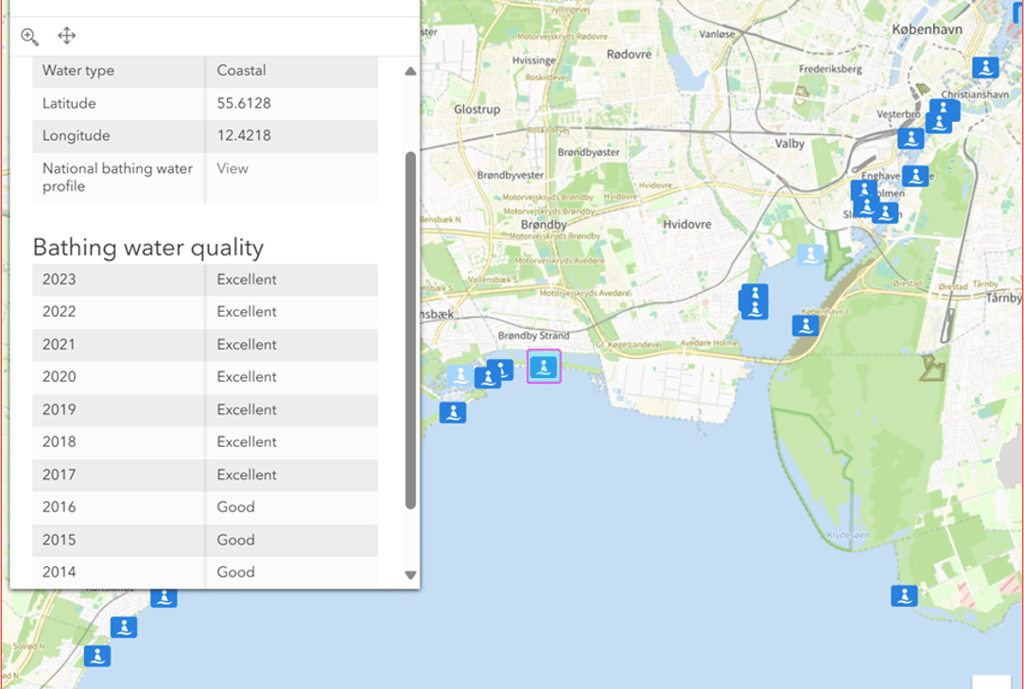
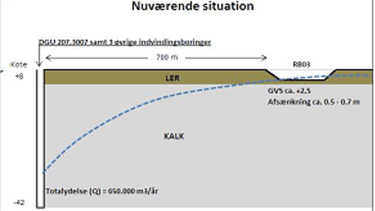
The solution "1b" ensured continued operation of the basin, provided a more cost-effective alternative to building new stormwater ponds, and supported improved water quality at Brøndby Strand. See EEA data and the figure below.
My work led to an optimized water and wastewater system with significant cost savings:
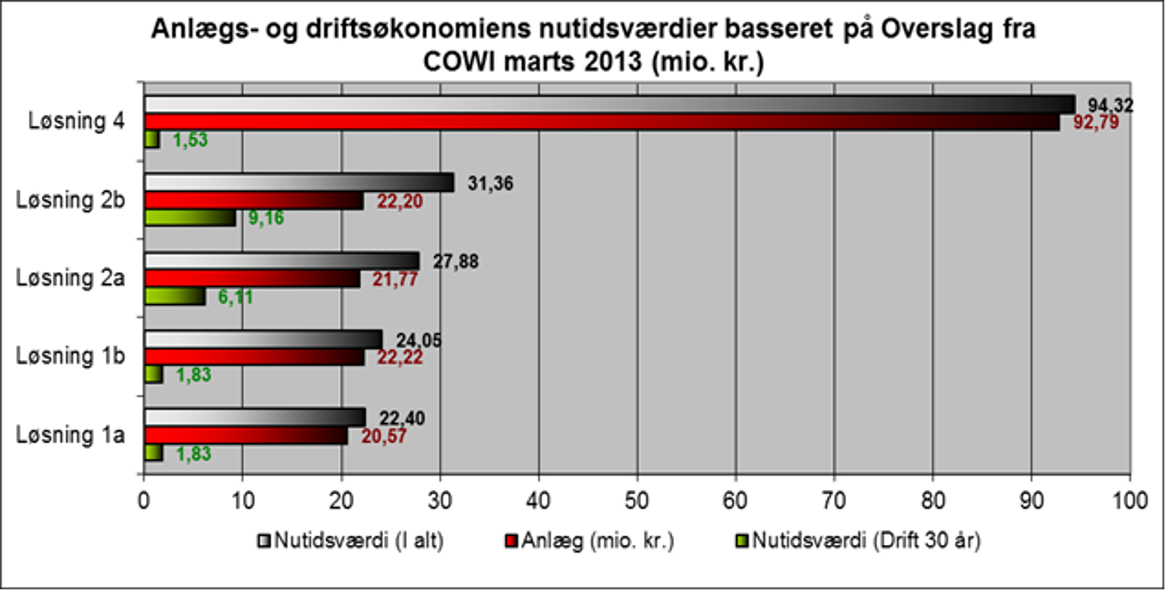
Approx. DKK 70 million on construction cost of RB03. See the figure to the right.
The innovative movable wall solution allowed Brøndby and Glostrup Utilities to extend their plans for optimizing the combined sewer network over a longer period, resulting in significant socio-economic savings for the drainage infrastructure, estimated at at least DKK 90 million.
This has been achieved, while coordinating successful procurement of the design-build contract in 2013.
The project highlights my ability to deliver complex infrastructure solutions through modelling, risk analysis, and multi-stakeholder collaboration.
RB03
RB03

Managing Complex Hospital Construction in High-Risk Environments
Period: 1988–1991
Role: Site Director Engineer
Project Value: US$ 215 million
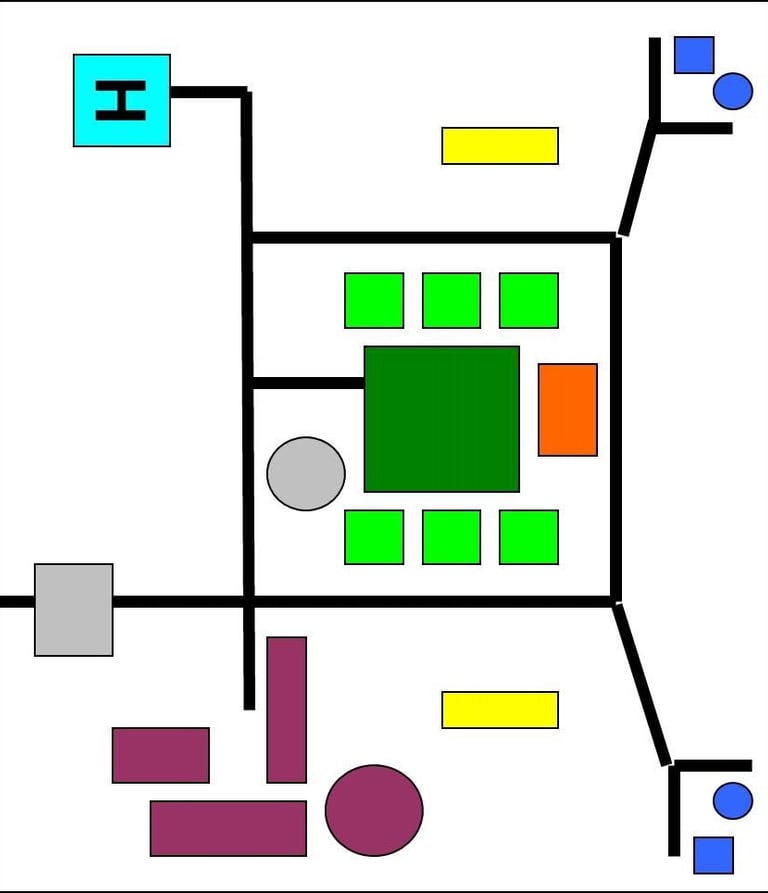
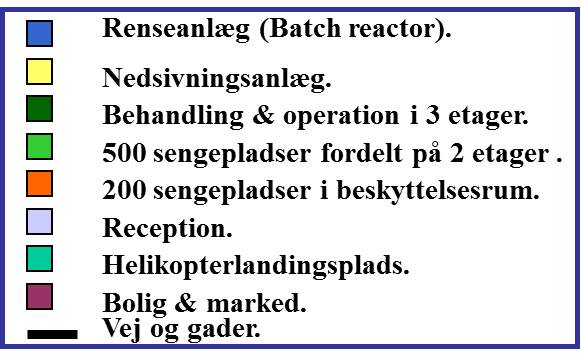
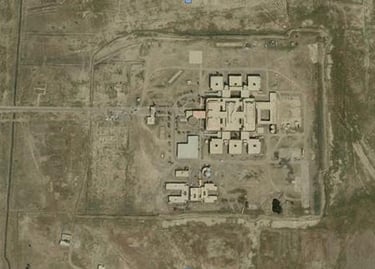
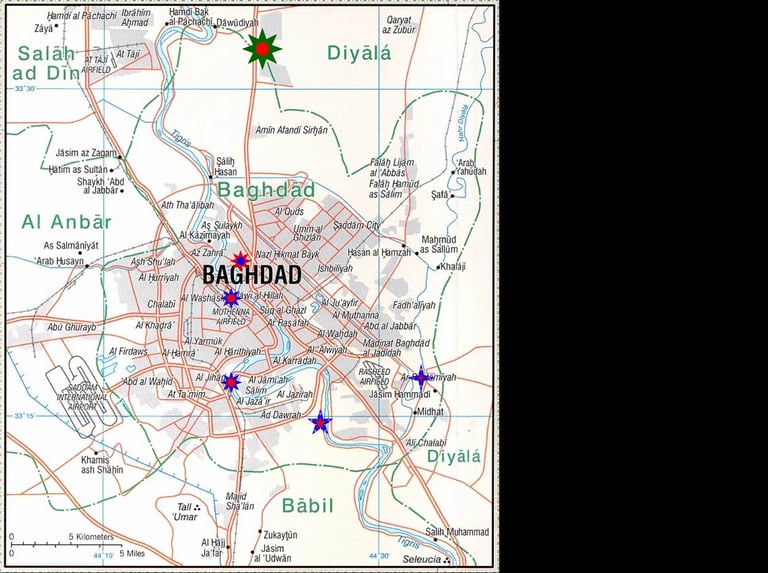
Location: 20 km north of Central Baghdad. The green star in the figure.
Challenge
Delivery of a large-scale 500-bed military hospital under highly complex conditions, including operational challenges during two wartime periods. The project of three hospital sites, which strated in 1981 and reached a delivery phase in spring 1990, required strict control of construction progress, quality, and financial management while coordinating an international consortium of contractors.
Two on-site wastewater treatment units were as well constructed to treat and disinfect hospital wastewater. In addition, two rainwater infiltration systems were implemented as a Low Impact Development (LID) solution to manage excess stormwater during heavy rainfall.
Approach / Solution
As Site Director Engineer, I led on-site construction, managing a team of 9 engineers and 7 technical assistants. I established a structured monthly control cycle:
Days 1–10: Site supervision, measurements, and quality/quantity verification.
Days 11–20: Payment preparation, negotiations with contractors and validation of payment drafts.
Days 21–30: Final reviews and coordination with headquarters and contractor leadership.
I ensured continuous supervision of construction progress, rigorous quality assurance and close financial oversight, including management of approximately US$ 1,000,000 in monthly payments to the international consortium.
Impact / Result
Successfully delivered the project under exceptional conditions, maintaining quality and progress throughout. Achieved at final payment cost savings exceeding US$ 300,000 through effective site management and optimization, while ensuring reliable coordination between all stakeholders during a highly challenging period.
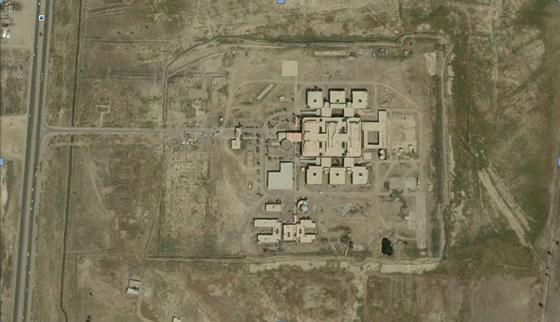
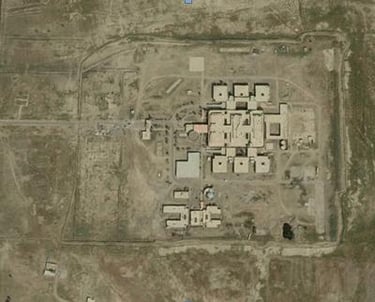
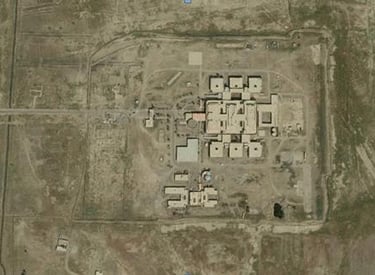
AR-RASHIDYEH MILITARY HOSPITAL - IRAQ